THE ARRIVAL
Little known in 1743
The Met says caricature was an Italian mode still little known in Britain when a London printmaker began issuing etchings after Italian caricatures in 1736.
Follow the story doodlecelebrity
ART HISTORY, FROM THE COLLECTIONS
People have always enjoyed a famous face, stretched.
CARICARE to load, to charge
1743 Characters and Caricaturas
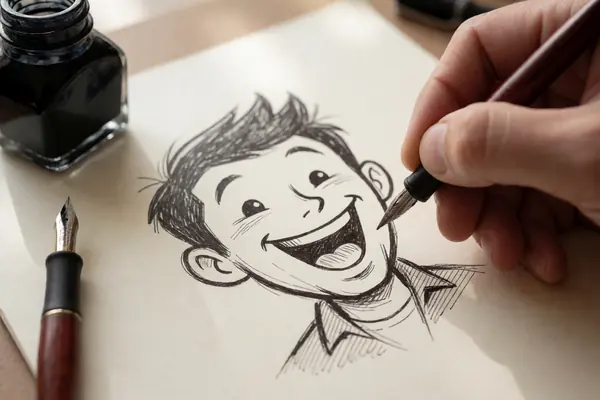
Caricature began as an Italian studio game and became, in Georgian London, a popular art sold from shop windows. Museums and art historians trace how it arrived, who objected, and why the best of it stayed recognisable.
THE SHORT ANSWER
The word comes from the Italian caricare,
to load or charge: an overloaded portrait.
THE ARRIVAL
The Met says caricature was an Italian mode still little known in Britain when a London printmaker began issuing etchings after Italian caricatures in 1736.
Follow the storyTHE CRITIC
Hogarth's 1743 print Characters and Caricaturas set realistic 'character' heads against grotesque caricatures, as a warning against what he saw as a debased foreign form.
Character or caricatureTHE CROWDS
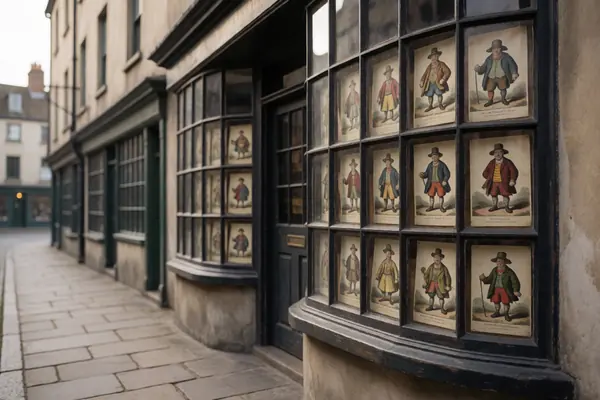
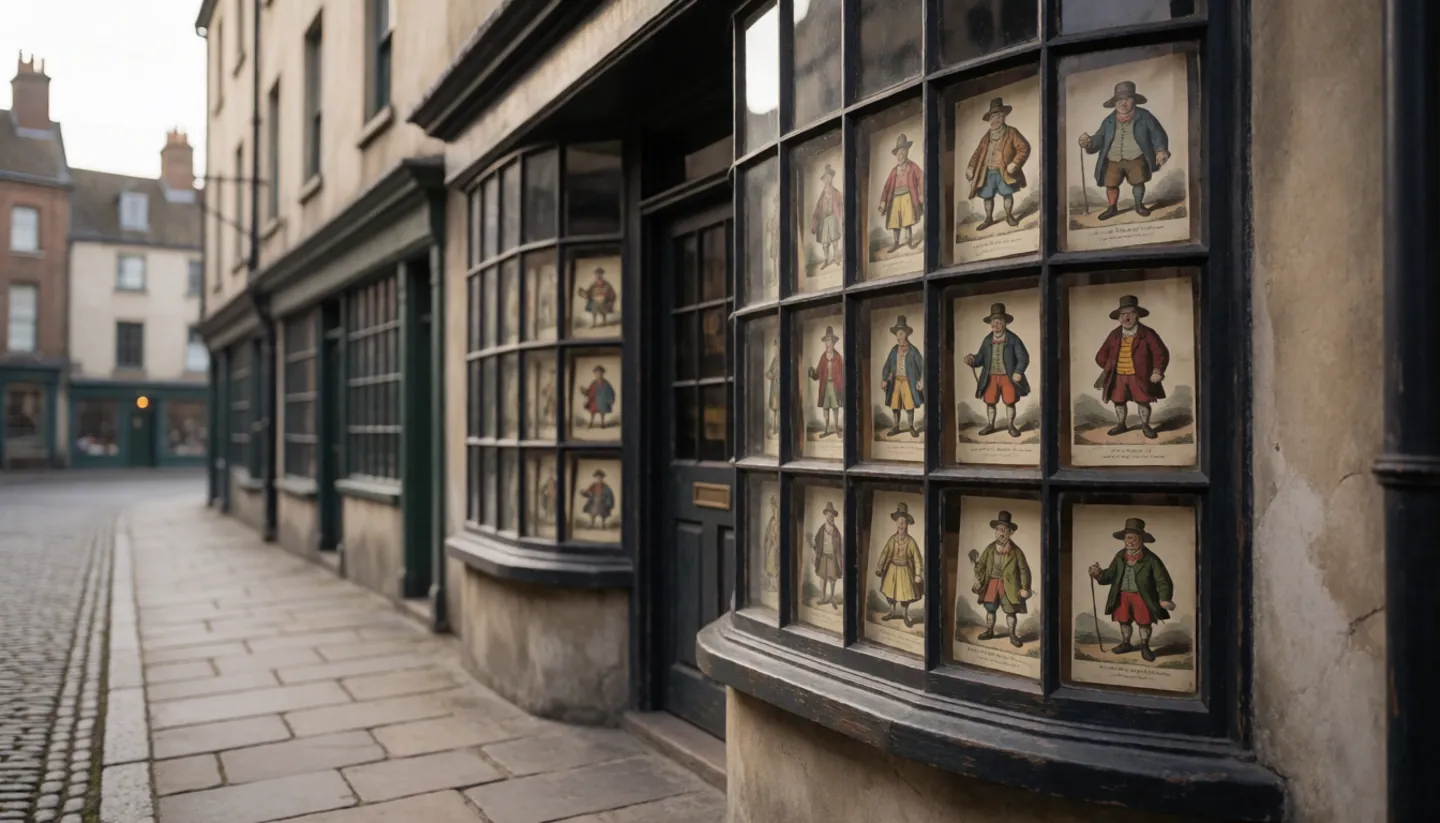
Gillray's plates were shown in his publisher Hannah Humphrey's shop window, where eager crowds examined them.
See the datesHOW CARICATURE SPREAD
Pick a moment to see how caricature moved from a private Italian pastime into a public British art. The bar shows how widely seen it had become.
Based on the Metropolitan Museum of Art, a BSECS review of the Fitzwilliam Museum's Cradled in Caricature display, and Wikipedia's caricature and Gillray articles.
OLD ADVICE FOR NEW SKETCHERS
In 1788 Francis Grose published Rules for Drawing Caricaturas. The BSECS review of the Fitzwilliam display picks out his practical advice, and the Met's note adds a lesson from the masters.
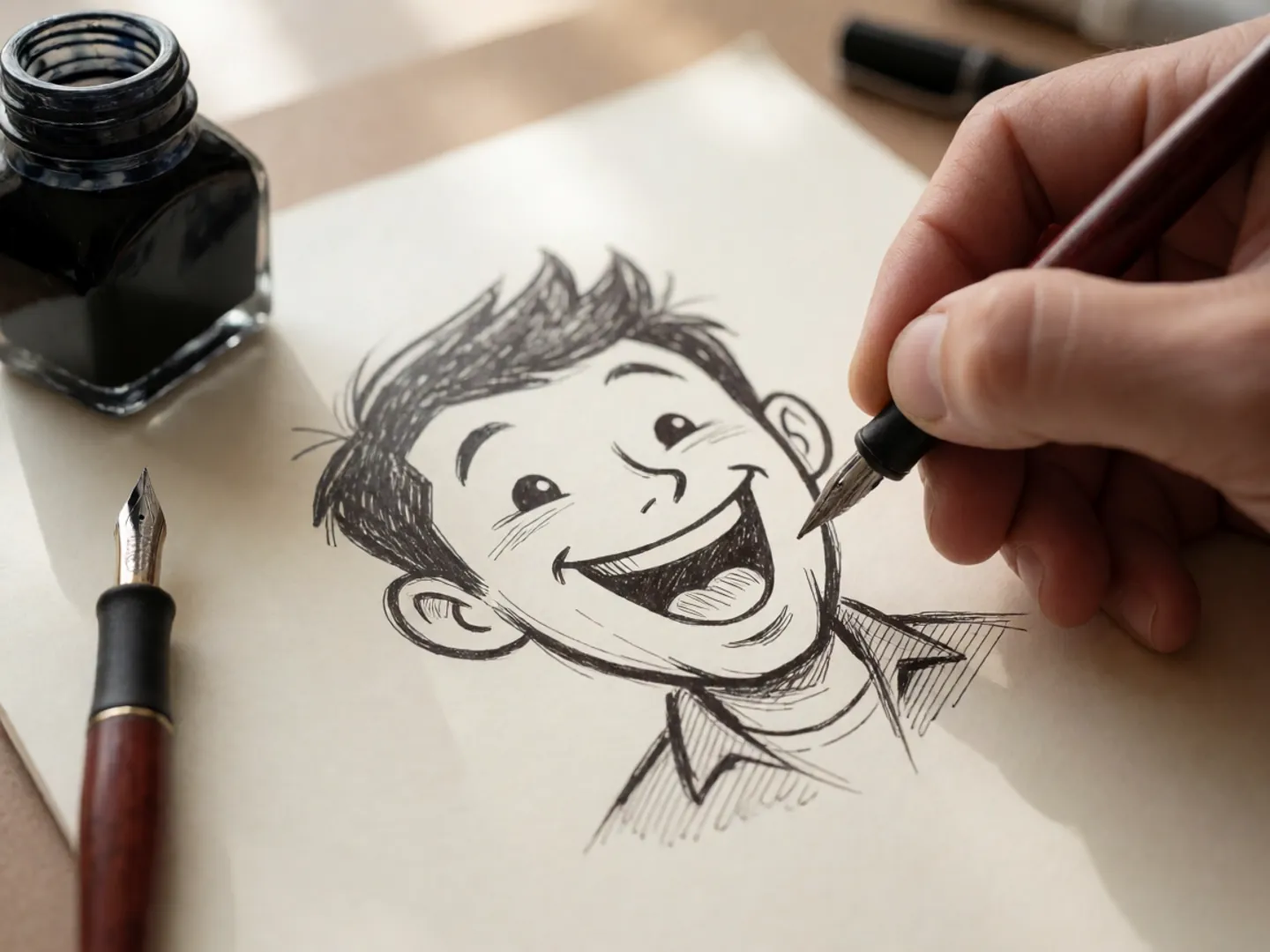
Grose recommended beginning with a study of the head before anything else.
He suggested using contrasting body types side by side for comic effect.
The Met says Gillray and Rowlandson usually stayed within the range Hogarth called character: exaggerated, but still a likeness.
TWO DATES WORTH KNOWING
Hogarth tried to steer artists away;
the next generation made caricature famous.
1743
Characters and Caricaturas
Hogarth's print, which doubled as a subscription receipt for his Marriage A-la-Mode engravings, condemned exaggeration. The Met says it ironically showed how caricature could be used with more subtlety.
HOGARTH · THE MET
1792–1810
His main years of political satire
James Gillray (1756–1815) is known for etched political and social satires mainly published in these years, and has been called the father of the political cartoon.
GILLRAY · REFERENCE
The Met notes that when later masters such as Rowlandson and Gillray mixed caricature with satire, they generally worked in a range that Hogarth would have called character.
CHARACTER OR CARICATURE?
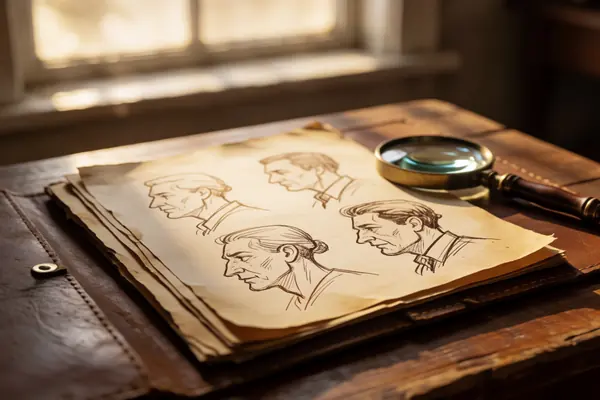
At the foot of Characters and Caricaturas, Hogarth set three heads after Raphael, showing an acceptable range for 'character', against a row of caricatures derived from Ghezzi, Carracci and Leonardo. For him, naturalism was the goal.
The BSECS review notes Hogarth would not have been pleased to be called a caricaturist, seeing his mission as moral. Yet his successors Rowlandson, Gillray and Cruikshank turned caricature into what one later chart called a genuine popular art.
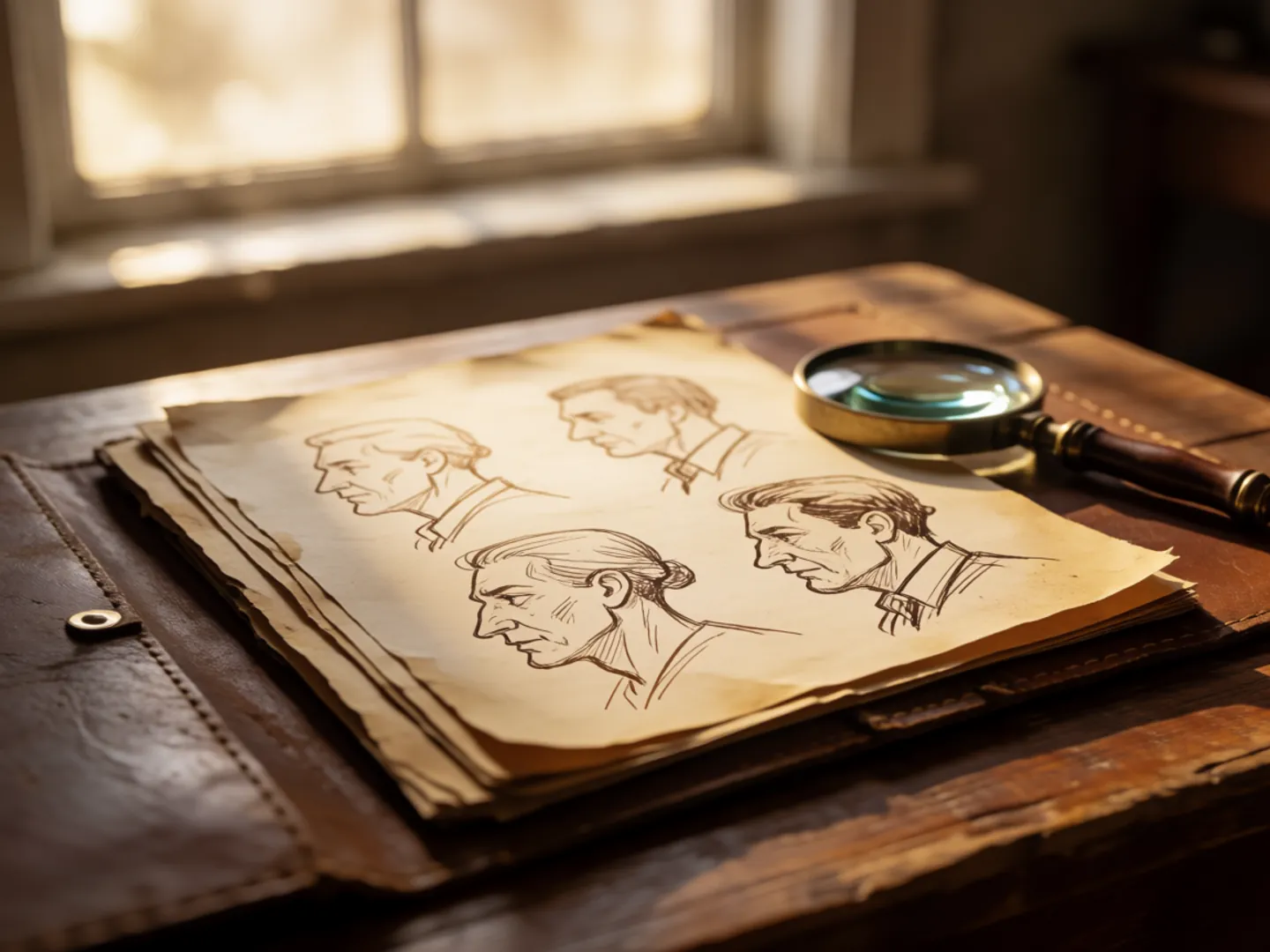
Questions
It comes from the Italian caricare, to charge or load, so a caricature is essentially an overloaded portrait: a likeness with some features exaggerated.
Not quite. In modern usage caricature mostly means a portrait of a recognisable person, while cartoon covers other comic images. The comic sense of cartoon was popularised in the 19th century by Punch magazine.
Wikipedia's history notes England's relative freedom of the press and a busy publishing trade made 18th-century London a centre for modern caricature.
His publisher and print seller Hannah Humphrey, whose shop moved from the Strand to Bond Street and finally St James's Street. Gillray's 1808 print Very Slippy-Weather shows the shop.
Collections include the National Portrait Gallery, which holds many of Gillray's works, the Fitzwilliam Museum in Cambridge and the Cartoon Museum in London, which preserves British cartoons and caricatures.
Updated
ABOUT THIS NAME
doodlecelebrity.com is part of the DoodleSale portfolio. It isn't in an auction right now, but you can ask about leasing it.